




Blogs
Common Problems in Polished Concrete Floors and Their Solutions

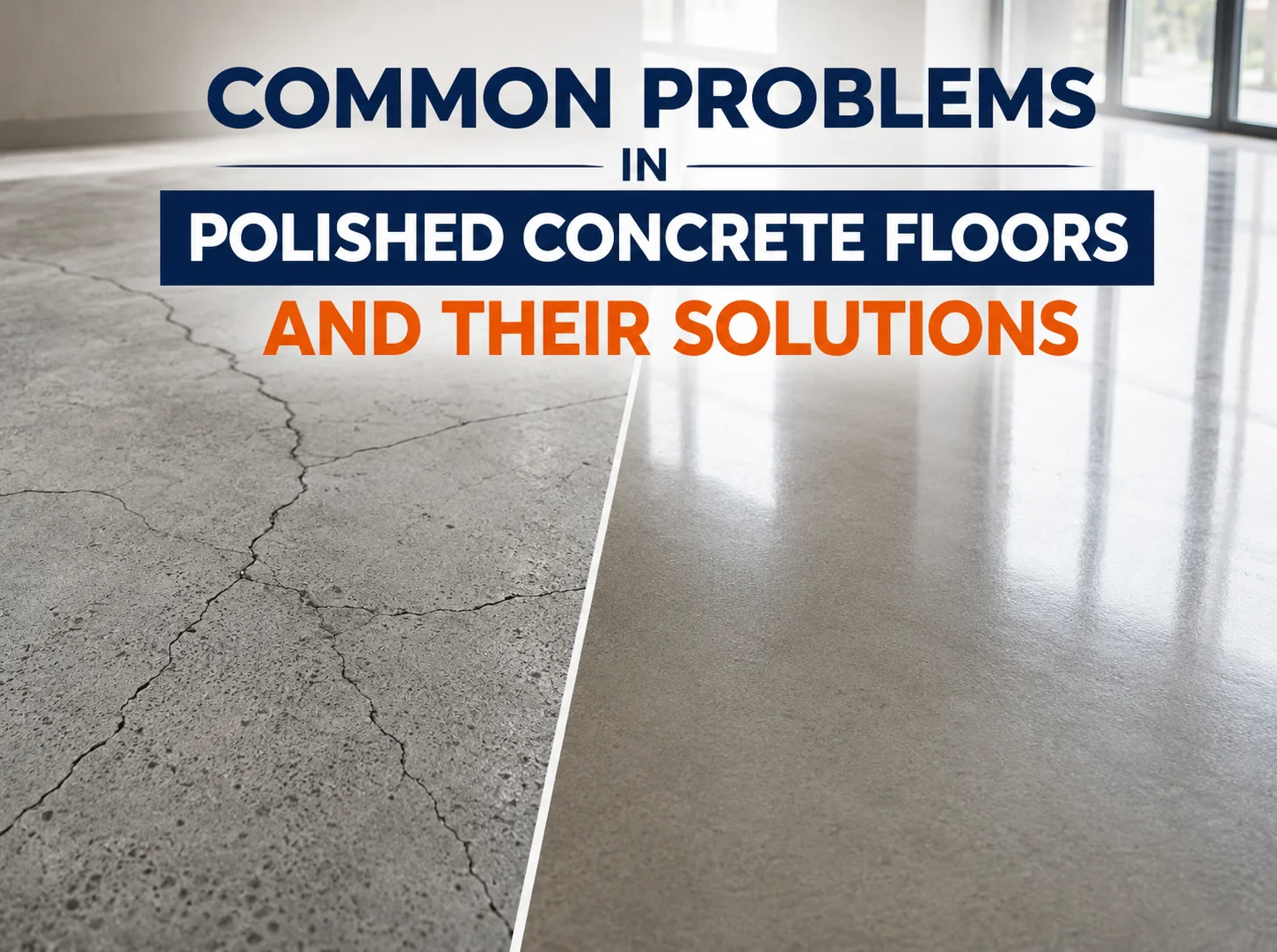
Polished concrete has become a preferred flooring choice for commercial buildings, warehouses, retail spaces, and modern homes because it combines durability with a sleek appearance. However, even the best floors can develop issues if the installation process, maintenance routine, or environmental conditions are overlooked. Choosing professional polished concrete services from an experienced contractor helps reduce these risks and ensures long-term performance.
A polished surface does not become “maintenance-free” the moment the machinery leaves the site. Instead, it requires the right care, regular inspections, and proper cleaning methods to preserve its appearance and strength. This guide explains the most common issues property owners face with polished concrete floors and, more importantly, how to solve them effectively.
Why Do Polished Concrete Floors Develop Problems?
Most flooring issues do not appear overnight. They usually result from one or more factors, such as poor surface preparation, incorrect polishing techniques, moisture movement, or neglected maintenance. Industry guidance from Concrete Network highlights that the quality of the existing concrete slab and the polishing process significantly influence the final finish and long-term performance. Proper densification and polishing methods also improve abrasion resistance and surface durability.
Understanding the cause behind a problem is always the first step toward finding the right solution.
1. Surface Cracks
Small cracks are one of the most common concerns with polished concrete floors. Concrete naturally expands and contracts with temperature changes, and hairline cracks may develop over time. Structural movement, inadequate curing, or heavy impact can also contribute to cracking.
Solution
Not every crack requires complete floor replacement. Professionals inspect the depth and width before selecting the appropriate repair method. Minor cracks can often be repaired using specialised fillers before restoring the polished finish through Diamond Polishing. For larger structural cracks, contractors may recommend repairing the slab before polishing resumes.
2. Loss of Shine
A glossy floor that slowly turns dull usually signals maintenance issues rather than polishing failure. Dirt particles, heavy foot traffic, and unsuitable cleaning chemicals gradually reduce surface reflectivity.
Some people believe applying wax solves the problem, but polished concrete typically achieves its shine through mechanical polishing rather than surface coatings.
Solution
Regular polished concrete maintenance keeps the finish looking consistent. Daily dust removal and periodic cleaning with pH-neutral products help prevent abrasive particles from scratching the surface. Professional floor burnishing can also restore gloss without altering the concrete itself.
A Gloss Meter is often used during commercial projects to measure and maintain consistent gloss levels across the floor.
3. Stains and Chemical Marks
Although polished concrete offers good stain resistance, it is not completely stain-proof. Oil, grease, acidic liquids, and chemical spills can penetrate the surface if they remain unattended for long periods.
Workshops, manufacturing plants, and commercial kitchens face this issue more frequently because of constant exposure to industrial materials.
Solution
Cleaning spills immediately remains the simplest and most effective solution. During installation, professionals may apply a suitable sealant to improve stain resistance without affecting the polished finish. In environments exposed to aggressive chemicals, additional protective treatments may be recommended depending on operational requirements.
4. Dusting on the Surface
Concrete dusting occurs when weak surface particles gradually break away under traffic. This issue often develops in older slabs or floors that did not receive adequate densification during polishing.
A properly polished surface generally uses a Lithium Densifier or Sodium Silicate treatment. These materials react with free lime in the concrete to strengthen the surface and reduce dust formation. The process creates additional calcium silicate hydrate, which contributes to a harder and more durable floor.
Solution
If dusting appears, professionals evaluate whether the surface requires re-polishing or additional densifier application. Modern polishing systems often use Lithium Densifier because it penetrates effectively and supports long-term durability.
Choosing an experienced concrete polishing company ensures that densifiers are applied according to manufacturer recommendations rather than as a shortcut during installation.
5. Uneven Gloss Across the Floor
Sometimes one section reflects light beautifully while another appears flat or cloudy. This inconsistency usually results from uneven grinding, inconsistent polishing stages, or differences in the original concrete mix.
Concrete produced with varying amounts of materials, such as Fly Ash or differing aggregate characteristics, may respond differently during polishing.
Solution
Professionals inspect the surface using systematic polishing stages, including Floor Honing, before the final polishing passes. Consistent equipment settings, proper grit progression, and experienced operators help achieve a uniform finish across the entire floor.
In large commercial facilities, quality control during every polishing stage is far more effective than correcting inconsistencies after project completion.
6. Scratches and Surface Wear
Heavy machinery, metal wheels, or dragging equipment across the floor can leave visible scratches over time. While polished concrete floors are highly durable, they are not immune to mechanical damage, especially in high-traffic industrial environments.
Solution
Use protective pads under heavy equipment and avoid dragging sharp objects across the surface. Regular cleaning also prevents sand and grit from acting like sandpaper. If scratches become noticeable, a professional can restore the finish through localized re-polishing instead of replacing the entire floor. This approach often reduces the overall concrete polishing cost compared to a complete restoration.
7. Moisture-Related Issues
Moisture moving through a concrete slab can affect the floor’s appearance and performance. In some cases, it may contribute to staining, discoloration, or reduce the effectiveness of coatings such as Epoxy or Polyurethane if they are applied over the polished surface without proper moisture testing.
Solution
Always evaluate the slab before polished concrete installation. Moisture testing helps determine whether additional treatment is necessary. Where moisture is a concern, professionals may recommend appropriate moisture mitigation systems before polishing begins.
For facilities where flooring and moisture protection are both important, combining quality flooring practices with the best waterproofing services in Delhi NCR can help improve the long-term durability of the building envelope.
Choosing the Right Professionals Matters
Many flooring problems begin long before the polishing process starts. Surface preparation, equipment selection, grit progression, and densifier application all influence the final result.
Experienced, polished concrete experts understand how different concrete mixes behave and adjust the polishing process accordingly. Materials containing Silicon Dioxide, along with properly applied Surface Hardener products where required, contribute to stronger and more durable surfaces when used according to manufacturer recommendations.
If your existing floor has lost its shine or requires professional restoration, choosing reliable polished concrete services ensures the work is completed using proven methods and industry best practices.
Also Read: Waterproofing Failure Causes: Common Reasons, Warning Signs, Solutions & Prevention
Simple Maintenance Tips for Long-Lasting Floors
Proper care extends the life of polished concrete floors and helps preserve their appearance.
- Remove dust regularly using microfiber mops or dust-control equipment.
- Clean with pH-neutral cleaners instead of harsh acidic chemicals.
- Wipe up oil, grease, and chemical spills as soon as possible.
- Place protective pads under heavy machinery and furniture.
- Schedule periodic professional inspections for high-traffic facilities.
- Avoid applying waxes unless recommended for your specific flooring system.
A consistent maintenance routine is far more effective than waiting until visible damage appears.
Frequently Asked Questions
Hairline cracks can occur as concrete naturally expands and contracts. However, proper installation, control joints, and timely repairs help minimize visible cracking.
Yes. Professional cleaning, burnishing, or localized re-polishing can often restore the original finish without replacing the floor.
Yes. Their durability, abrasion resistance, and ease of maintenance make them a popular choice for warehouses, factories, and commercial facilities when installed correctly.
Routine cleaning should occur regularly based on traffic levels, while professional maintenance schedules depend on the building’s usage and operational requirements.
Protect Your Investment with Professional Polished Concrete Solutions
Most flooring problems are preventable when the surface receives proper preparation, professional polishing, and consistent maintenance. Issues such as cracks, dullness, scratches, staining, or dusting rarely develop without an underlying cause. Identifying the cause early helps avoid expensive repairs later.
Whether you’re planning a new flooring project or restoring an existing surface, working with experienced professionals makes a significant difference. Radco Buildtech Pvt. ltd focuses on quality workmanship, industry-recommended practices, and long-term performance to help clients get the most from their polished concrete flooring investment.
Contact Radco Buildtech Pvt. ltd today to schedule a site inspection and discover how professional concrete polishing can enhance the durability, functionality, and appearance of your floors.
